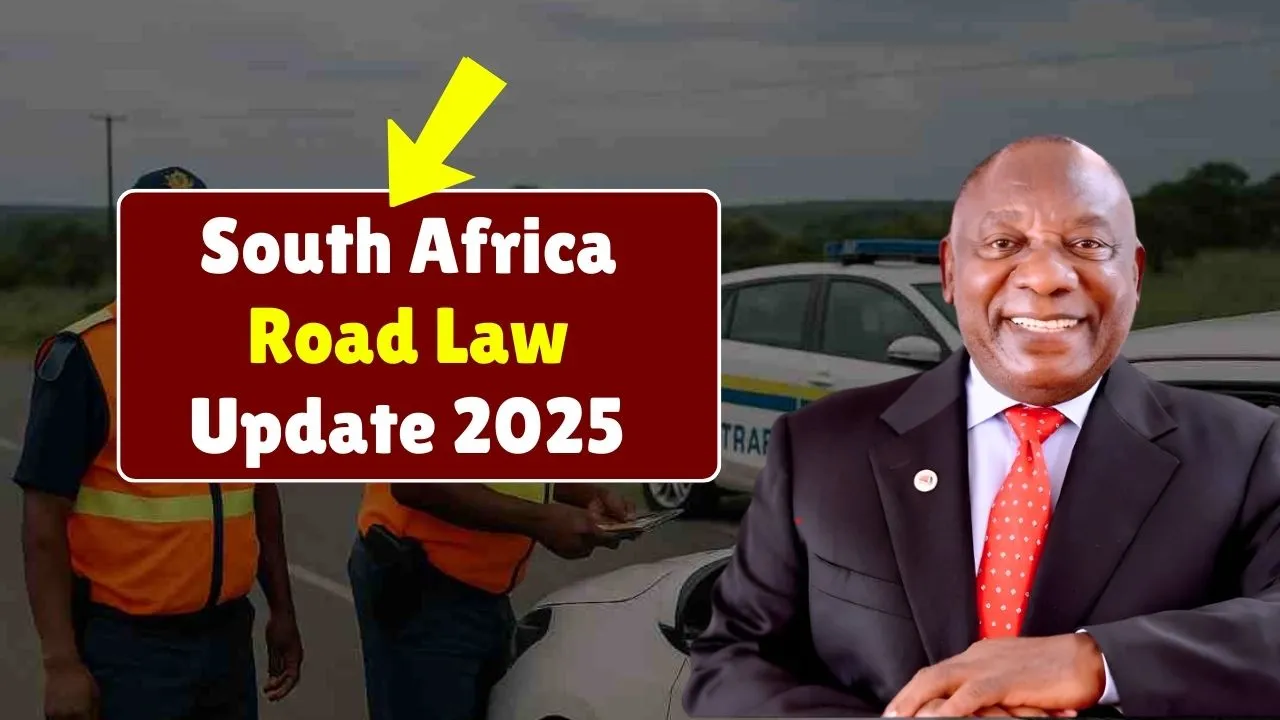
South Africa Road Rules 2025 Update: South Africa is heading into a new era of traffic enforcement in 2025, with overhauled road laws designed to cut crashes and boost road safety nationwide. Tougher penalties, stricter testing and smarter monitoring systems mean motorists will need to clean up their driving habits before the changes fully kick in.
2025 Road Law Overview Table
| Category | Updated Information |
|---|---|
| Alcohol Limit | Moving closer to near-zero tolerance |
| Fine Structure | Higher penalties for major offences |
| Monitoring Systems | Expanded camera network and automated tracking |
| New Driver Rules | Stricter testing and supervision |
| Enforcement Focus | Repeat offenders and high-risk routes |
| Purpose | Reduce accidents and improve compliance |
| Main Keywords | South Africa road laws 2025, new driving rules, zero alcohol limit, traffic penalties, motorists update, enforcement technology |
Why the Road Laws Are Being Updated
The 2025 changes come in response to rising crash statistics and ongoing reports of reckless driving on South African roads. Authorities want a tougher legal system that forces motorists to act responsibly and cuts down on deaths that could have been avoided. The new rules are meant to match today’s traffic conditions and put more pressure on repeat offenders.
Move Toward Zero-Tolerance Alcohol Limits
One of the biggest shifts is the move towards a near-zero blood alcohol limit. Professional drivers, newly licensed motorists and those driving in high-risk areas will face even tighter restrictions. The goal is to reduce alcohol-related crashes, which remain one of the main causes of deadly accidents across the country.
Heavier Fines for Serious Driving Offences
From 2025, the fines for serious offences will climb sharply. Speeding, skipping red lights and making dangerous lane changes will all carry far steeper penalties. Drivers who keep breaking the rules could face licence suspensions or be forced to attend safety programmes. The message is clear: risky driving that puts others in danger will hit you harder in the pocket – and possibly take you off the road.
Enhanced Traffic Cameras and Monitoring Tools
To back up the stricter laws, the monitoring systems are getting a major upgrade. More traffic cameras are being rolled out, speed detection tech is being improved and automated systems will be used to pick up violations faster and more accurately. This will make it much more difficult for offenders to slip through the cracks, especially on highways and known high-risk routes.
Stricter Standards for New Drivers
Learner drivers and those who’ve just earned their licences will face tougher standards. Testing procedures are being tightened and new motorists will be watched more closely to encourage safe habits from day one. Young and inexperienced drivers will have to prove higher levels of awareness and control behind the wheel to help cut down on preventable crashes.
How Motorists Should Prepare for 2025
Drivers should start brushing up on the new rules now and shift towards safer driving habits as soon as possible. With harsher penalties and far better monitoring systems, casual or careless rule-breaking will become a lot more risky – and expensive. Knowing and understanding the updated laws will be key to avoiding fines and staying on the right side of the new regulations.
Final Verdic
The 2025 road law changes mark a major push to make South Africa’s roads safer and to clamp down on dangerous driving. While some motorists may find the tighter rules tough to adjust to, the aim is to save lives, improve accountability and bring old traffic laws in line with modern realities. Drivers who adapt early are likely to have a smoother experience once the new system is fully enforced.
Disclaimer
This rewritten article is for informational purposes only and does not replace official announcements from the government or traffic authorities. For accurate and up-to-date regulatory information, motorists should refer to the Department of Transport and official government platforms.